In biomechanics, balance is the ability to maintain the line of gravity, vertical line from the center of gravity of a body, within the base of support with a minimum postural oscillation.
Oscillation is the horizontal movement of the center of gravity, even when a person is standing still, a certain amount of oscillation is essential and unavoidable due to small disturbances within the body, for example, breathing, displacing body weight from foot to foot, or from the front of the foot to the back of the foot, or due to external triggers, such as visual distortions and changes in ground structure.
The maintenance of balance requires the coordination of the contributions of several sensory systems, including vestibular, somatosensory, and visual systems.
As we get older, there are balance problems associated with aging. Age-related decline in the ability of the previous systems to receive and integrate sensory information contributes to poor balance in older people.
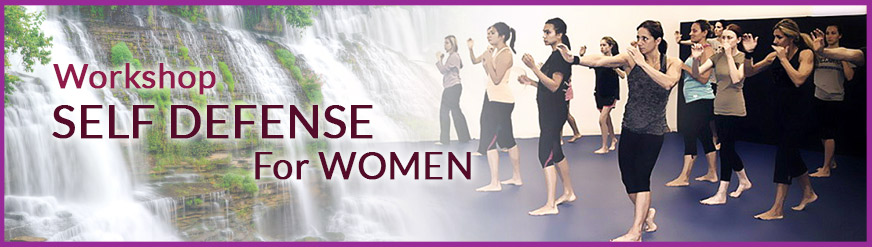
Knowing and practicing self-defense techniques allows us to improve balance and coordination, thus maintaining and increasing our ability to enjoy life.